
GARDENING · VEGETABLE GARDENING
Vegetable Gardening
Grow food in the space you have.
Start by bringing three decisions together: the container, the growing mix and the way you will water. This collection focuses on vegetables and herbs in pots, with clear routes into planning, setup and troubleshooting.
INITIAL EDITORIAL FOCUS
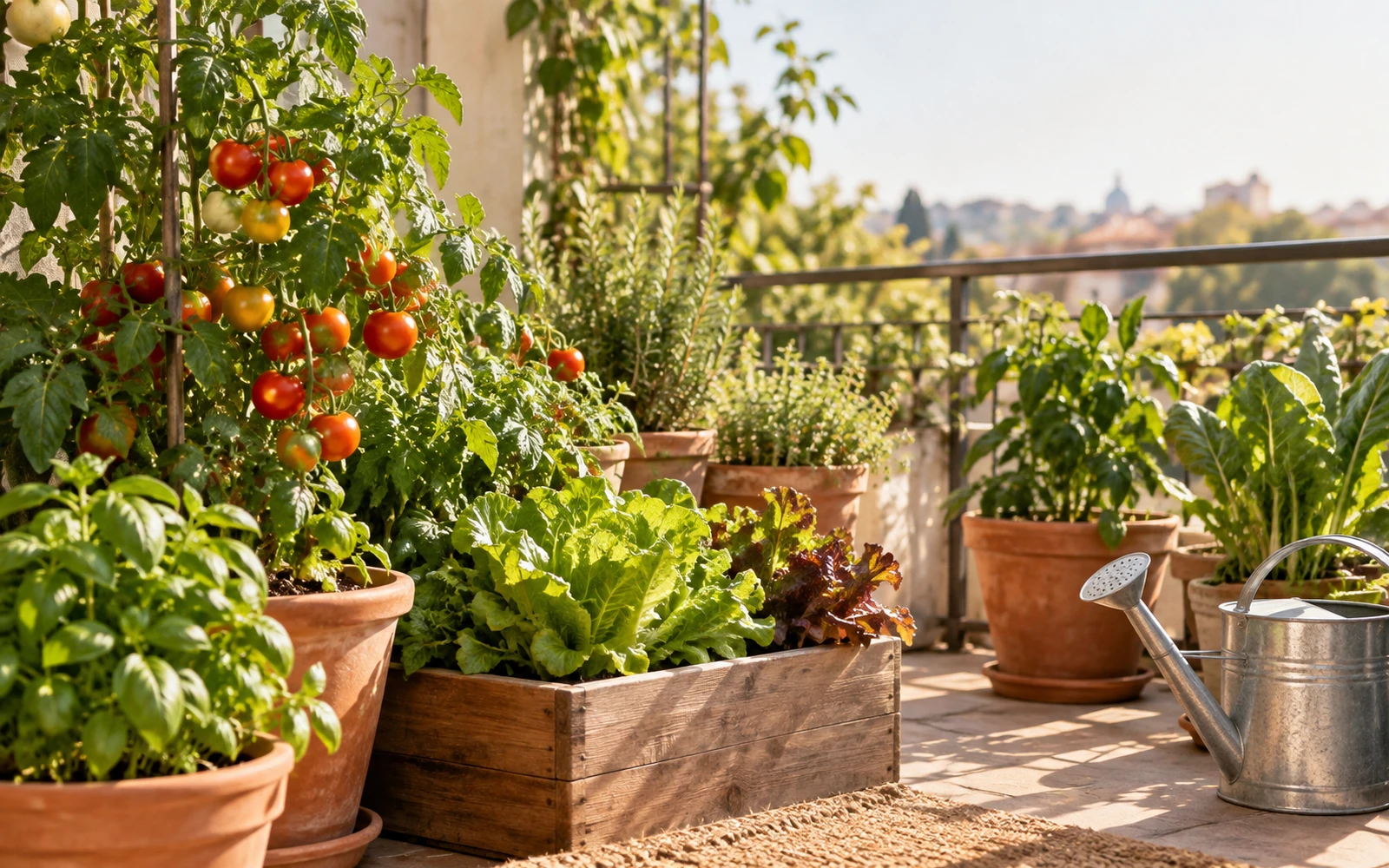
Container vegetable gardening
A small food garden is a connected setup, not just a plant in a pot. Our initial focus is on helping you organise the decisions around growing vegetables and herbs in containers. Use the three sections below as a route through the collection. Detailed crop instructions and product comparisons belong in their own guides.
START HERE
Three starting points
Begin with your current decision and come back to the other sections as your setup develops.
 01 · PLANPlanning & containersSet out the space you can use, choose what you would like to grow and compare suitable containers. Record practical limits before building a shopping list.→
 02 · PREPAREGrowing mediaUnderstand what a potting mix is intended to do and how to read its description. Keep the plant, container and watering arrangement connected.→
 03 · WATERWatering & self-wateringWork through access to water and electricity, then compare options. Measurement, testing and troubleshooting help you understand how the chosen setup behaves.→
Plan before you fill the first pot
Write down where the containers will stand, how you will reach them and where the water will come from. Move from a simple layout to container-size decisions rather than trying to solve every crop question at once.
Keep room to move, water and inspect the plants.
Choose the mix in context
Growing media should be considered alongside the container and watering system. The collection separates choosing a mix from diagnosing an existing problem, so you can follow the question that fits your situation.
Descriptions of ingredients are not a substitute for a documented test.
Choose, measure, then test
First work out the limits of the installation. Next check how the system delivers water. Finally, test the planned routine before relying on it during an absence. A calculation of scheduled water delivery is not a prescription for a plant’s needs.
Use measurements to check a schedule; do not treat it as a plant-care prescription.
Use a guide in the right context
When reading a recommendation, look for its climate, season, crop and container assumptions. We will not apply one country’s planting calendar to every reader or present an illustrative setup as a measured result.
What to expect from the collection
Clear definitions, sources for technical claims and honest labels for illustrations, comparisons and tests. Where a result depends on a particular setup, the relevant assumptions should appear beside it.
Start small. Learn how the setup behaves.
Use the collection to connect decisions rather than chase a universal recipe. The goal is a setup you understand and can maintain.